
ليس على المكتبة أن تحترق.
AfriX منصة تراث مبنية للعائلات الأفريقية والأصلية. أشجار عائلية بأسماء بلغتها الأصلية. تاريخ شفهي بصوت الكبير نفسه. مُتحقَّق منه من كبار المجتمع، لا من خوارزمية. مرسَّخ على بلوكشين Bantu كـ Vault NFT — لك، إلى الأبد. لا يذهب إلى السلسلة سوى تجزئة تشفيرية. ويبقى المحتوى مع العائلة.

كل يوم في أفريقيا، يموت كبير وتحترق مكتبة. المثل قديم. والحقيقة التي يسمّيها أقدم. ثلاثة أجيال من المعرفة قد تختفي في عصر يوم واحد.
AfriX هي المنصة الأولى حيث يمكن حفظ تراثك بشروطك، بلغتك، بإذن كبارك، ومملوكًا لعائلتك — لا لشركة قد تختفي يومًا ما.
ما يراه المستخدمون بالضبط.
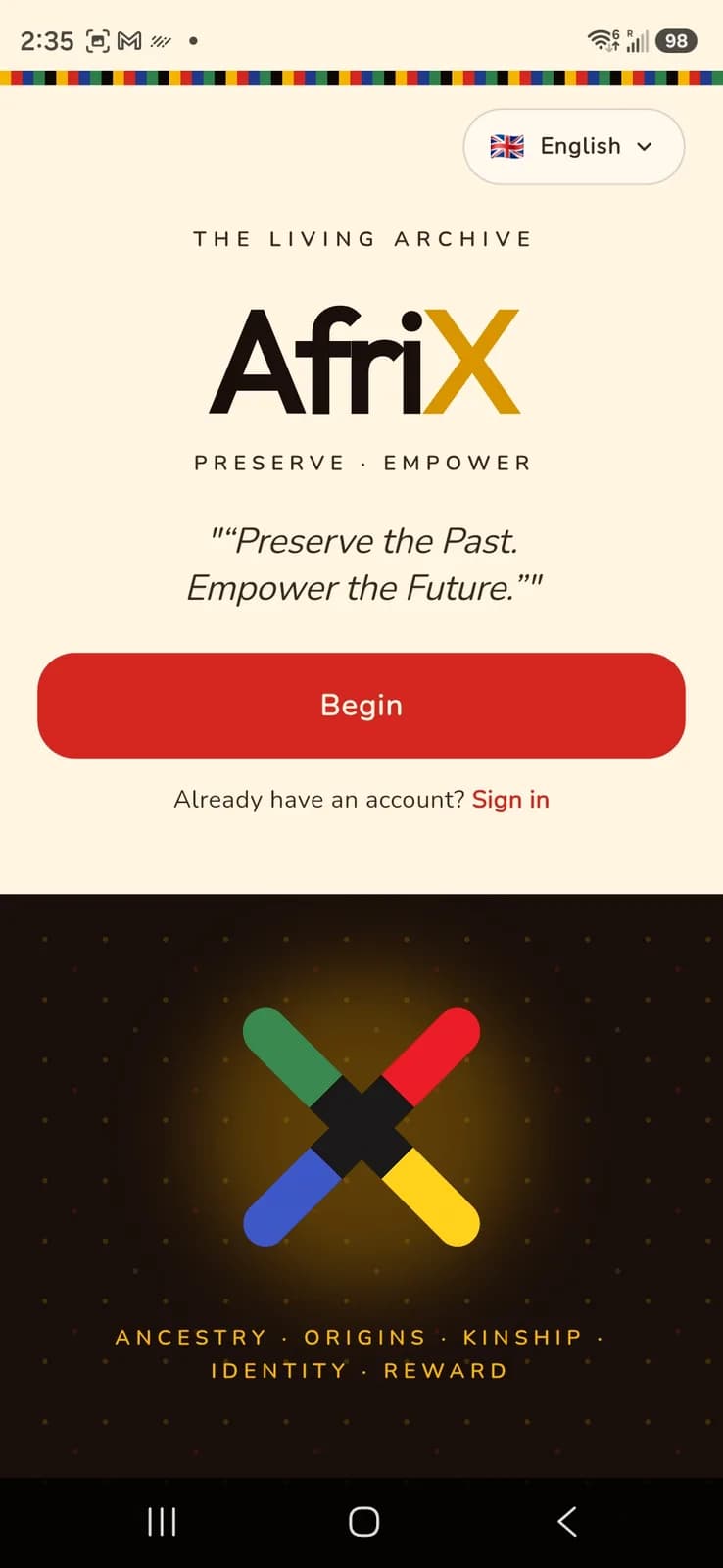
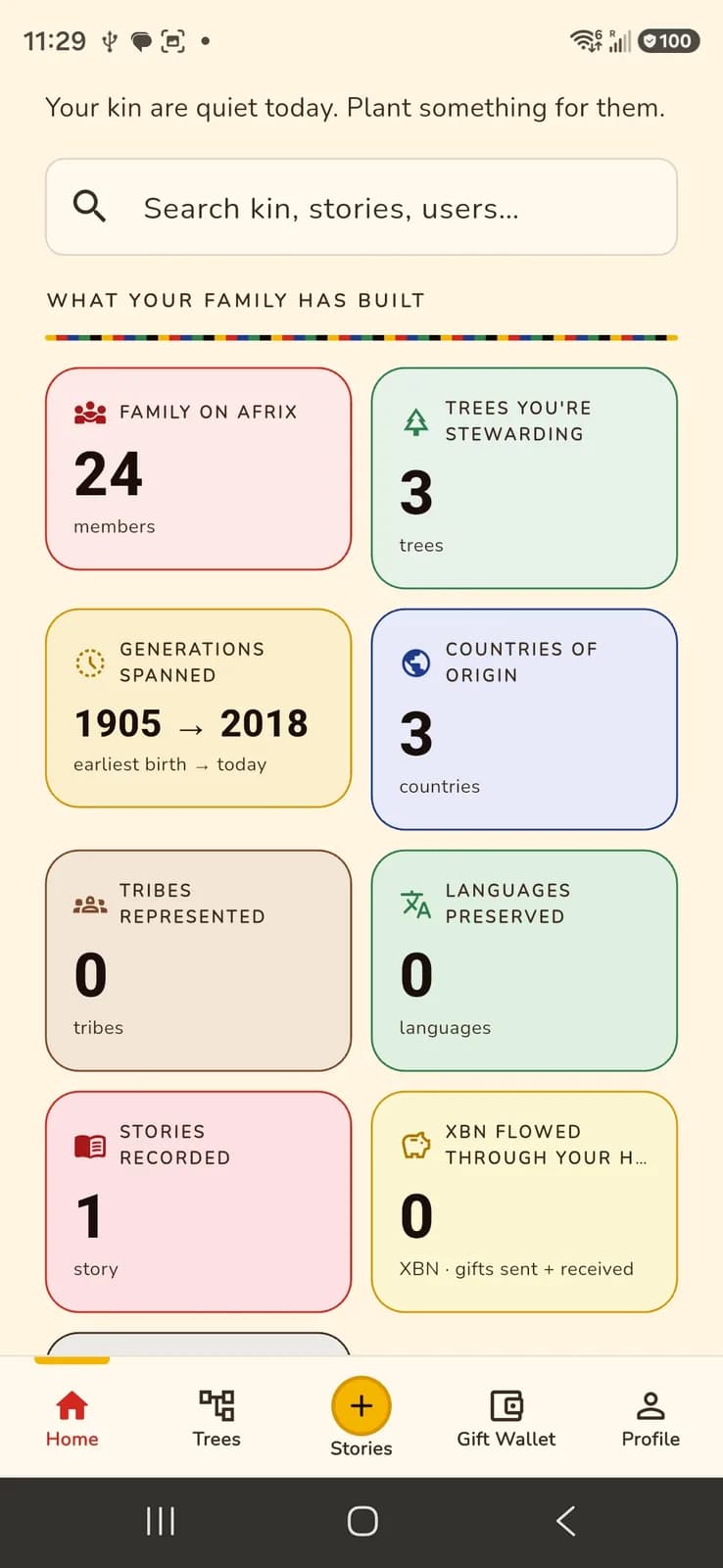
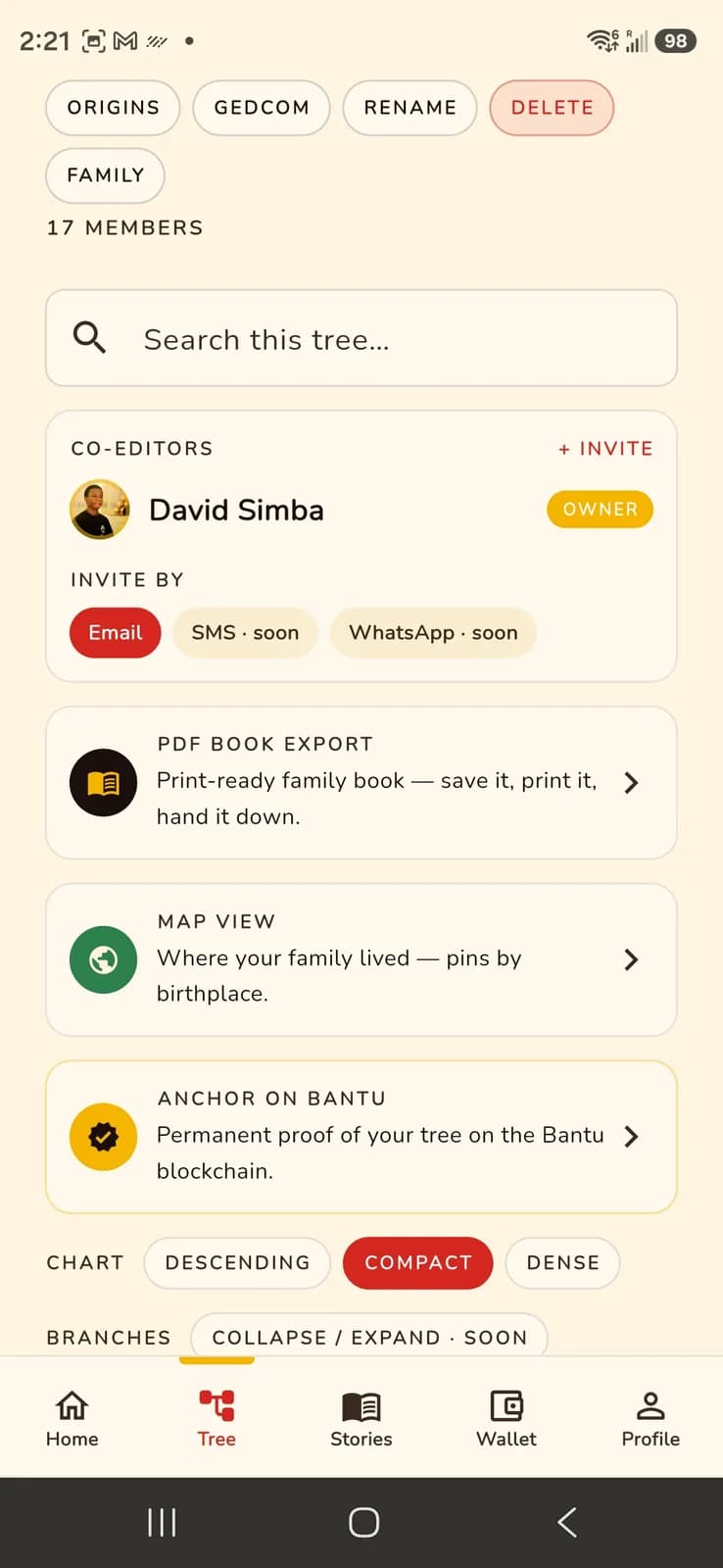
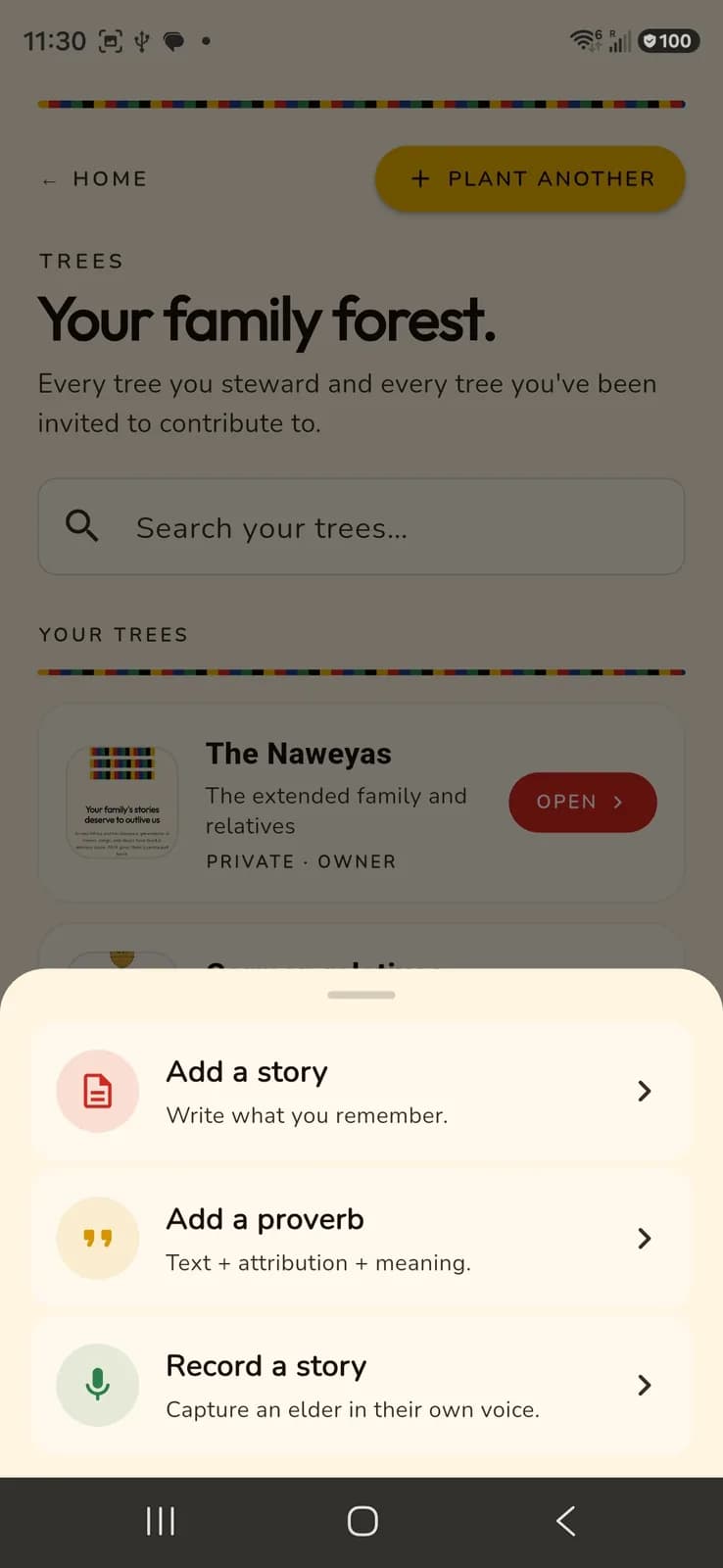
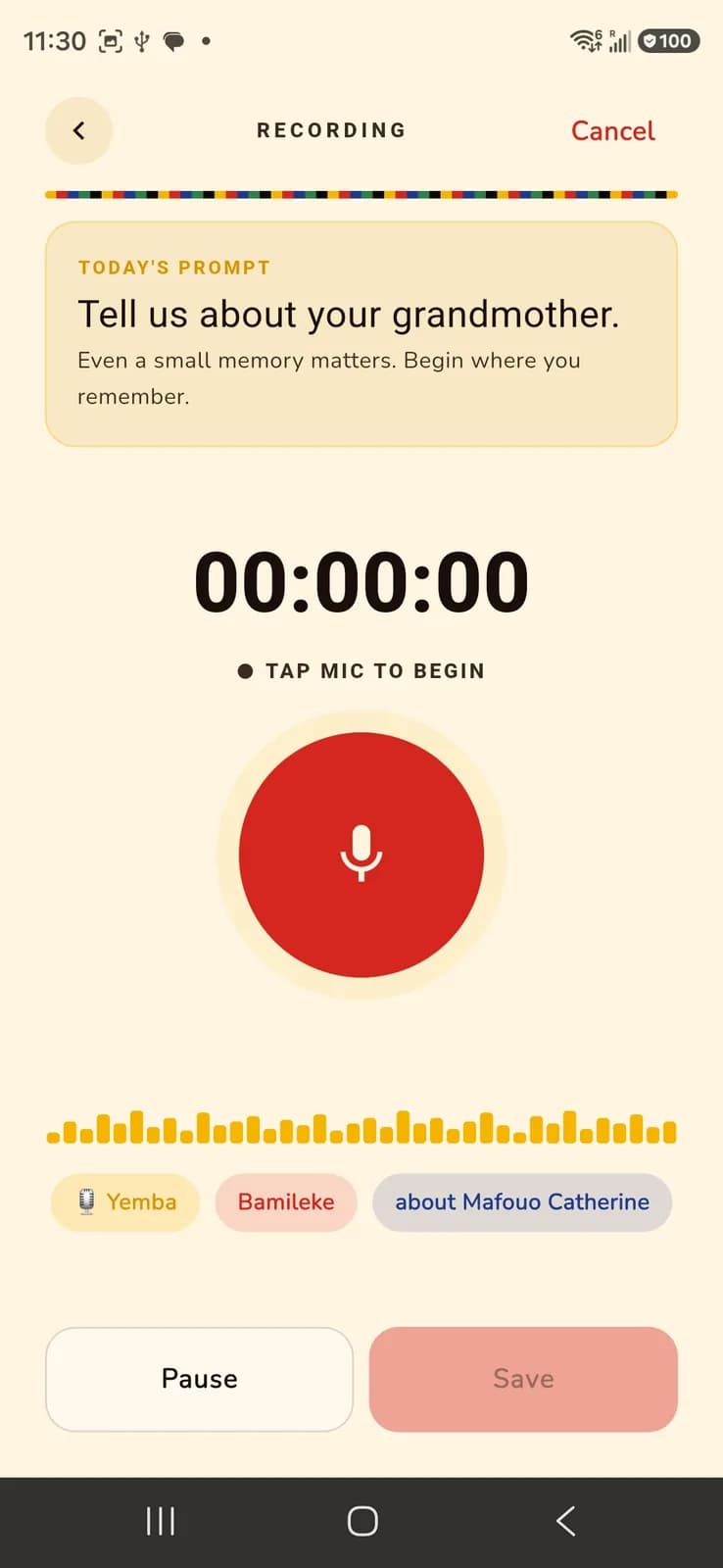
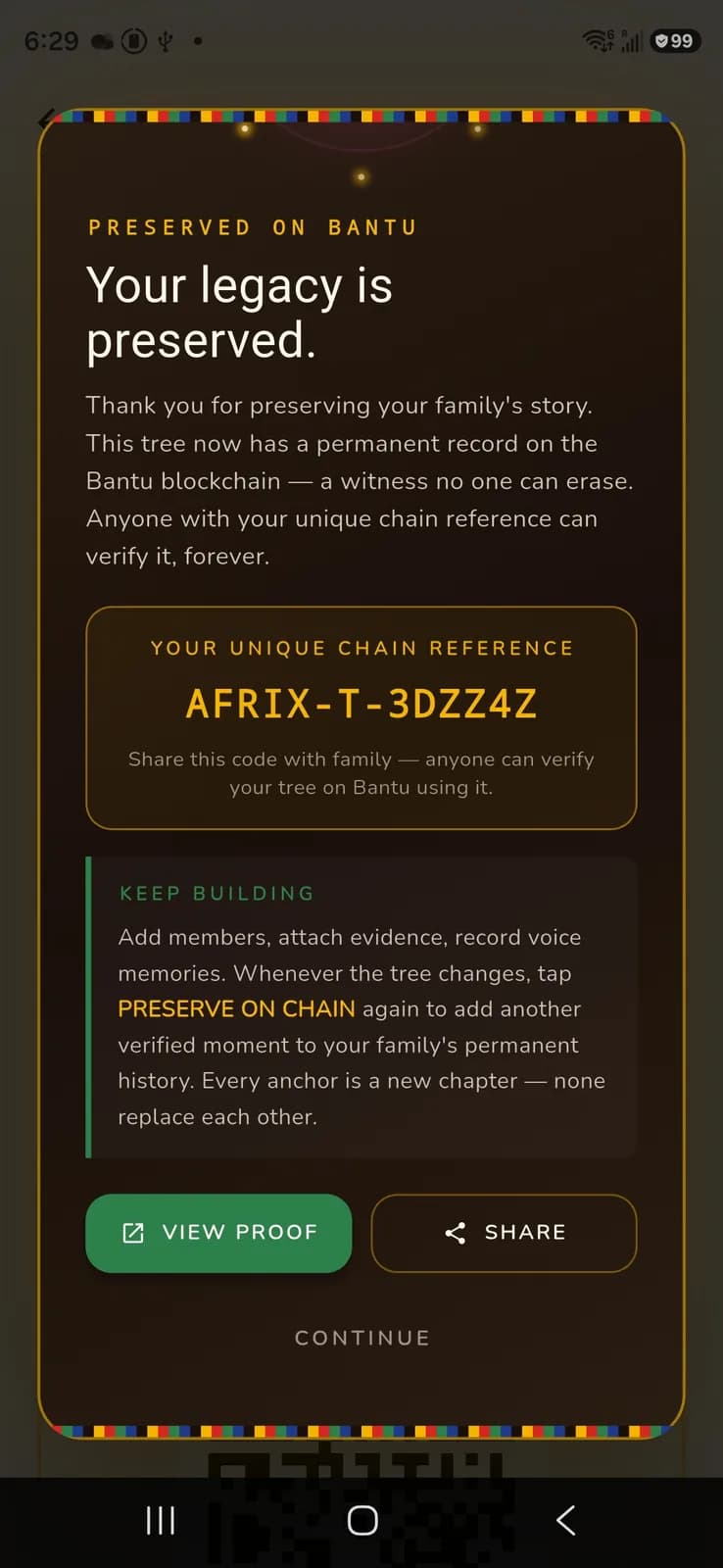
ماذا يُفقَد حين لا يتذكّر أحد؟
الجيل الذي يحمل النَّسَب الشفهي في رأسه في عقوده الأخيرة. ودون التقاط مقصود، يذهب ما يعرفونه معهم.
أحفاد حول العالم يحملون شظايا — أسماء، أغانٍ، قرى نُسِيت نصفًا — دون البنية التحتية لإعادة نسجها في نَسَب قابل للتحقّق.
اليوروبا والأمهرية والجعزية والهوسا والزولو واليمبا والولوف والأكان — محفوظة بايت ببايت بخطّها الأصلي. الأبجدية اللاتينية خيار، لا الافتراضي.
أربع مراحل من الكلمة المنطوقة إلى السجل الدائم.
مبنية بشرف لكيفية وجود العائلات فعليًا.
أسماء بخطّها الأصلي. آباء متعدّدون يُعرَضون بوزن بصري متساوٍ. بُنى عشائرية محفوظة كما هي تمامًا. لا افتراضات غربية. لا «اسم أول، اسم عائلة». فقط عائلتك، كما تعرف عائلتك نفسها.
- لوحة بثلاثة مستويات تكبير — نقطة، شريحة، بطاقة بانتقالات سلسة
- أشرطة شراكة متعدّدة الآباء (بلا تراتبية)
- أسماء بالخط الأصلي محفوظة بايت ببايت
- دون اتصال أولًا؛ يُزامَن عند إعادة الاتصال
تاريخ شفهي مُلتقَط بصوت الكبير نفسه.
سجّل صوتًا وفيديو باللغة الأصلية. لا نسخ آلي يسطّح الفروق الدقيقة. لا ترجمة آلية تمحو الأسلوب. التسجيل هو السجل. الصوت الأصلي هو الحقيقة الأصلية.
- صوت + فيديو + قصص مكتوبة لكل فرد من العائلة
- نسخ متعدّد الخطوط مدعوم، لكنه اختياري
- التسجيل الأصلي محفوظ بايت ببايت
- ساعات من الشهادة لكل شخص، بلا حدّ
حقيقة مُتحقَّق منها من مجتمعك — لا من خوارزمية.
تُراجَع القصص وتُؤكَّد من كبار وأقران كانوا حاضرين. وتُحَل النزاعات عبر وساطة شفافة. المجتمع هو مصدر الحقيقة لأنه كان كذلك دومًا.
- الكبار والأقران يتحقّقون من الادعاءات أو يعترضون عليها
- بروتوكول وساطة نزاعات محدّد بزمن
- اكسب رموز XBN مقابل عمل التحقّق
- تحقّقات مُوقَّعة تشفيريًا
تُسكّ كسجل دائم على السلسلة. لك إلى الأبد.
تصبح القصص المُتحقَّق منها Vault NFTs على بلوكشين Bantu — برهان تشفيري على أن القصة وُجدت وتُحقِّق منها مجتمعك في تاريخ محدّد. تتكفّل AfriX بالسكّ على السلسلة نيابةً عنك.
- السكّ تتولاه AfriX — لا تدفع رسوم السلسلة
- تجزئة SHA-256 مرسَّخة؛ لا بيانات شخصية على السلسلة
- محفوظة في محفظة AfriX الوصائية الخاصة بك
- قابلة للإهداء للأحفاد؛ لا تُباع أبدًا على المنصّات
تجزئة، لا قصتك.
- 01
جزّئ اللقطة
تبني AfriX لقطة قانونية للسجل وتحسب SHA-256 الخاصة به — بصمة حتمية أحادية الاتجاه من 32 بايت.
- 02
افتح trustline
يفتح حساب التوزيع في AfriX trustline عابرة لأصل Bantu كلاسيكي صادر عن مُصدِر AfriX (رمز الأصل = رمز مرساتك العامة).
- 03
سكّ، احرق، أغلق
يسكّ المُصدِر وحدة واحدة بالضبط للتوزيع. يحرقها التوزيع عائدةً إلى المُصدِر ويغلق الـ trustline (الحدّ = 0). صافي التغيّر في حالة السلسلة: صفر.
- 04
تجزئة في MEMO_HASH
تُكتَب SHA-256 في حقل MEMO_HASH للمعاملة — 32 بايت بالضبط، بلا حِمل ترميز. تُوقَّع المعاملة وتُرسَل إلى شبكة Bantu العامة.
تنتهي تجزئتان على السلسلة لكل مرساة: تجزئة المذكّرة (بصمة سجلك) وتجزئة المعاملة (المعرّف الدائم لـ Bantu). كلتاهما علنيتان. ولا تكشف أيٌّ منهما شيئًا عن محتواك.
مرساة شجرة
لقطة من بنية شجرة — أعضاء، علاقات، تعديلات، مساهمون. أول شجرة عائلية رُسِّخت على Bantu هي AFRIX-T-3DZZ4Z، على السجل 32,694,339.
Vault NFT
قصة مُتحقَّق منها مع بصمات وسائطها ومساهمتها وتواقيع Ed25519 لكل كبير تحقّق منها.
بطاقة عضو
أثر ثنائي واحد — صورة، تسجيل صوتي، PDF — مُجزَّأ مباشرةً. ذرّة الأرشيف.
ما يقوله الناس عن الطريقة التي تنسجم بها عائلاتهم أخيرًا.
“لأول مرة رأيت زوجات جدتي الثلاث مَعروضات بالارتفاع نفسه إحداهن مع الأخرى على شاشة. بكيت. لم أكن أعلم أنني أحتاج ذلك حتى رأيته.”
“سجّل أبي اثنتي عشرة ساعة من القصص بالأمهرية قبل أن يرحل. حفظت AfriX كل كلمة بصوته. لم يكن أي نسخ ليحتوي ما احتواه.”
“بصفتي كبيرًا في قريتنا، طُلِب مني التحقّق من نَسَب امرأة شابة. سألتني المنصة أنا — لا آلة. ذلك الاحترام غيّر كيف أثق بالتقنية.”
“أنا حفيد الجيل الرابع لأناس غادروا غرب أفريقيا منذ زمن بعيد. لم تَعِدني AfriX بإجابة سحرية. أعطتني مكانًا لأبدأ محادثة حقيقية.”
نحن آخر جيل لا يزال يستطيع سماع الصوت الأصلي يقول الكلمة الأصلية.
نرفض أن نكون الجيل الذي تركها تَصمت. ستة مبادئ، مُكثَّفة من النص الكامل.
نسمّي الخسارة.
حين يموت كبير في أفريقيا، تحترق مكتبة حتى الأرض. أحصينا ما يكفي من الحرائق. انتهينا من المشاهدة.
نسمّي النافذة.
الجسر بين الأجيال بسماكة موسم أو موسمين والنهر يرتفع. لا نستعيد هذه النافذة.
نسمّي الأدوات الخاطئة.
المنصّات المبنية لعلم الأنساب الغربي لم تُصمَّم لأسر تعدّد الزوجات، أو الإرث الأمومي، أو أنظمة التسمية التي تحمل الموسم أو السلف أو النذر أو العشيرة أو الأغنية.
التحقّق فوق الكمّ.
في سوق الانتباه، يفوز الصوت الأعلى. في أرشيفنا، يفوز الصوت المشهود. الثقة ليست ميزة. الثقة هي المنتج.
نبني على مسارات نملكها.
أرشيف قاري لا يمكن أن يكون مستأجرًا على أرض غيره. Bantu بنية تحتية مبنية في أفريقيا. لا نمرّر ذاكرتنا عبر أنابيب غيرنا. مَدَدنا أنابيبنا بأنفسنا.
نحمي الصوت الأصلي.
لن نترجم فوق الكبير. الصوت هو المعتمَد. الترجمة تَخدم. اللغة الأصلية هي الحقيقة.
ما لا يلامس السلسلة أبدًا.
- الأسماء والسير والذِّكر وتواريخ الميلاد والصور — كلها تبقى مع العائلة
- التسجيلات الصوتية والمرئية — مخزَّنة مشفَّرة خارج السلسلة؛ التجزئة هي ما يُرسَّخ
- العلاقات النَّسَبية — مرئية داخل AfriX فقط، لا من السلسلة
- هويات الكبار وتواقيعهم — مفاتيح Ed25519 العامة، لا معلومات شخصية أبدًا
- اللغات والخطوط واللهجات — محفوظة بايت ببايت في اللقطة، لا على السلسلة أبدًا
عمل الرعاية يُدفَع مقابله، لا يُستخرَج منه.
عمل تسجيل عمّة قبل أن ترحل، والتحقّق من نَسَب ابن عمّ، والجلوس مع فون عصرًا كاملًا لالتقاط تاريخ عشيرة — ذلك عمل رعاية.
الـ Bantu (XBN) التي تتدفّق بين الأقارب في أرشيف AfriX انعكاس متعمَّد: المنصة لا تستخرج من الحافظين. الحافظون يكسبون من المنصة. الكبير الذي يغنّي يُكرَّم. ابن العم الذي يتحقّق يُكرَّم. الراوي الذي يصحّح السجل يُكرَّم — احترامًا، وسُمعةً، وحيث يصحّ، قيمةً.
- تُكسَب مقابل التحقّق والتقاط القصص والتنسيق.
- تُهدى لأفراد العائلة في AfriX الذين يقومون بالعمل.
- لا تُشترى ولا تُباع داخل AfriX. هذا تكريم، لا مضاربة.
- AfriX تتكفّل بكل رسوم السلسلة لسكّ Vault NFTs. لا يدفع المستخدمون شيئًا للترسيخ.
الأسئلة التي يطرحها الناس.
ما الذي يُخزَّن على البلوكشين؟
فقط تجزئة تشفيرية SHA-256 لسجلك المُتحقَّق منه. لا بيانات شخصية، ولا أسماء، ولا سِيَر، ولا صور. يخزّن البلوكشين البرهان — لا محتواك. انطلاقًا من التجزئة، لا يستطيع أحد إعادة بناء أي شيء. ويمكن لأي شخص لاحقًا إعادة حساب SHA-256 من اللقطة الأصلية ومقارنتها بما على السلسلة للتحقّق من أن السجل لم يتغيّر.
ماذا يحدث لـ Vault NFTs الخاصة بي إذا أُغلقت AfriX؟
تبقى. بلوكشين Bantu بنية تحتية عامة مستقلّة عن AfriX. البرهان التشفيري على أن قصتك تُحقِّق منها مجتمعك في تاريخ محدّد سيظلّ موجودًا ما دامت شبكة Bantu موجودة — وهي، بحكم التصميم، غير محدّدة المدة.
فيمَ تُستخدَم رموز XBN؟
XBN هو رمز التكريم المُكتسَب بالتحقّق من القصص وتسجيل التاريخ الشفهي والمساهمة في أرشيف مجتمعك. داخل AfriX، لا يمكن شراء XBN أو بيعه — تُهدى. ويمكنك إهداء XBN لأفراد العائلة الذين يقومون بعمل الحفظ.
كم تكلفة سكّ Vault NFT؟
لا شيء للمستخدم. تتكفّل AfriX برسوم معاملة السلسلة نيابةً عنك. تتولّى المنصة كل تفاعل مع البلوكشين لتركّز على تراث عائلتك بدلًا من ميكانيكا البلوكشين.
هل أستطيع بيع Vault NFTs الخاصة بي؟
لا — صُمِّمت Vault NFTs للحفظ، لا للمضاربة. يمكنك نقلها إلى أفراد العائلة في AfriX أو إهداؤها للأحفاد، لكنها غير قابلة للإدراج على المنصّات العامة.
المكتبة ما زالت قائمة. اركض، واحمل الدِّلاء.
ابدأ باسم واحد وقصة واحدة. اسأل كبيرًا. افتح دفترًا. اضغط تسجيل على هاتف تملكه أصلًا. أول شجرة عائلية رُسِّخت على Bantu بدأت باسم واحد. والتالية تبدأ باسمك.